Overview
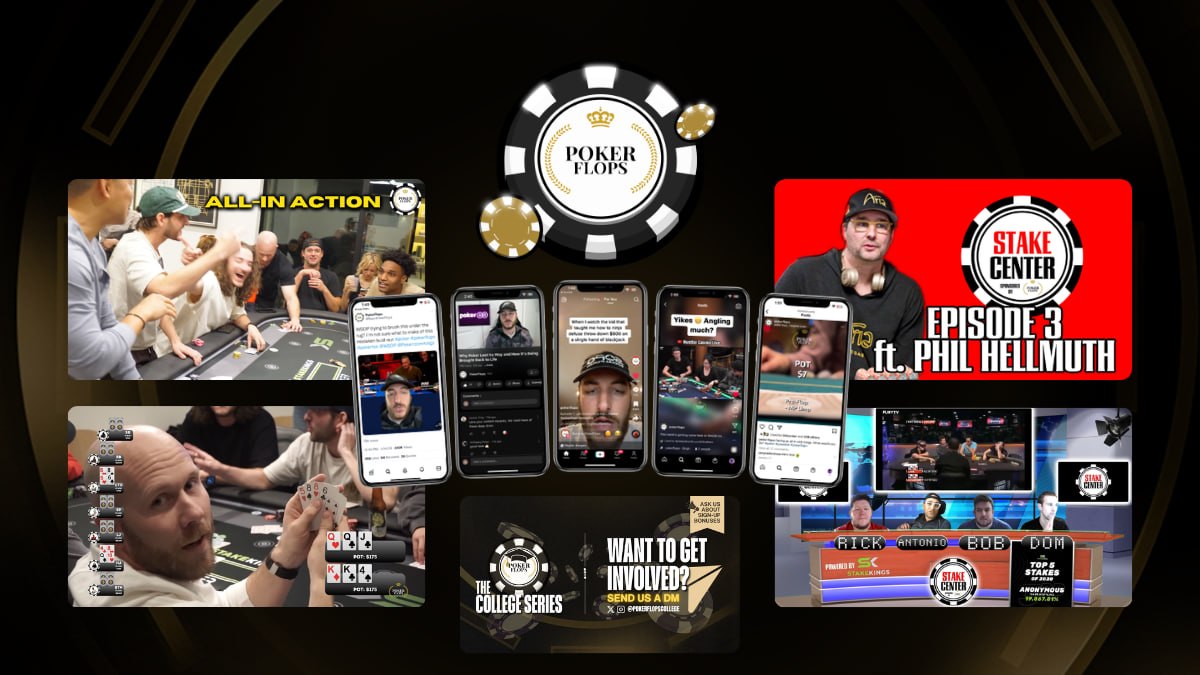
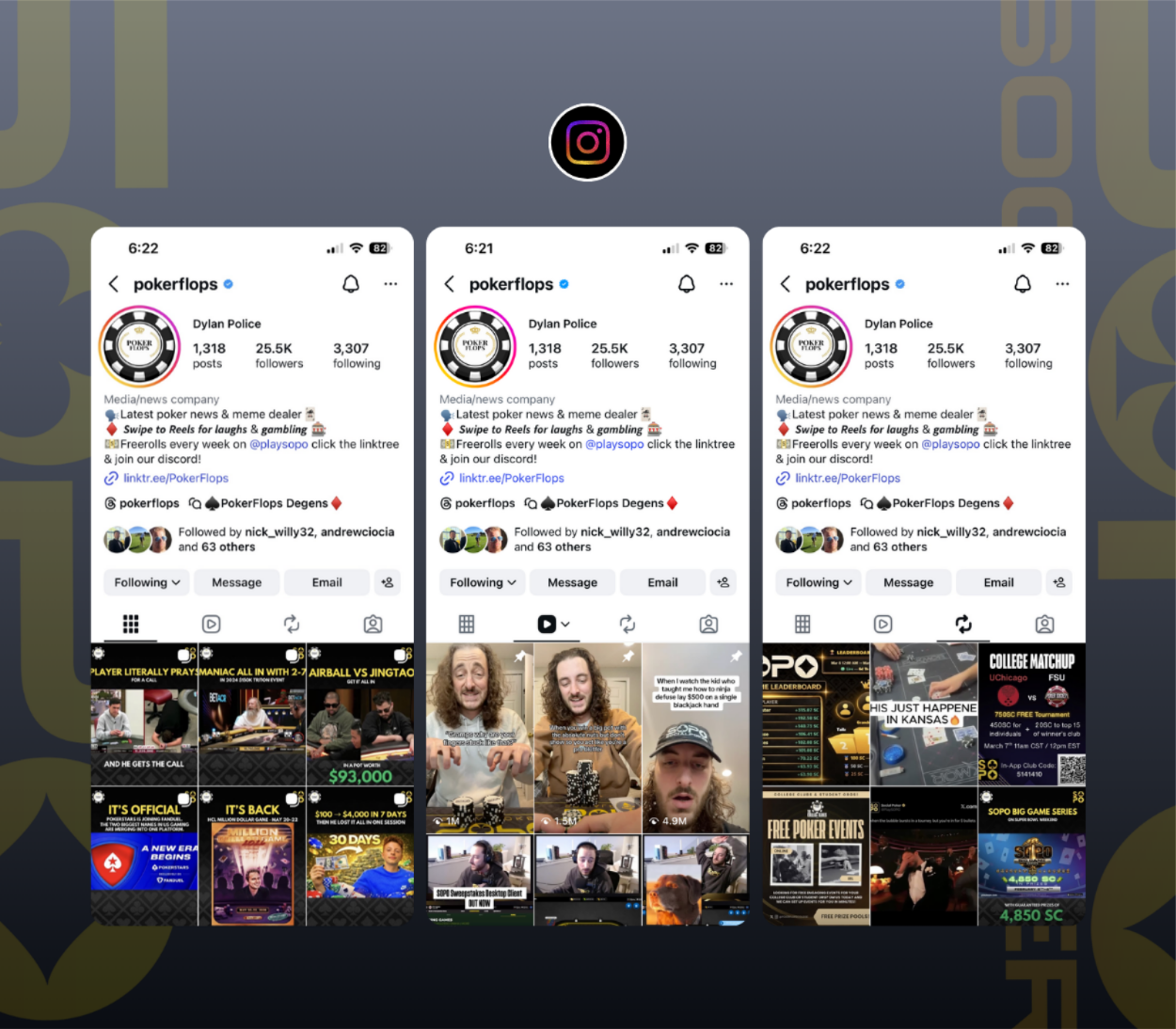
PokerFlops started as a page that reposted poker clips from other accounts. I transformed it into poker's first lifestyle media brand — "the Barstool Sports of poker," a north star set by the CEO that I made real. I defined the brand voice, rebuilt the visual identity, created the content strategy, and led the entire operation: thousands of original assets across every major platform, raw lifestyle vlogs nobody else in poker was doing — all designed to funnel audiences into SOPO. PokerFlops existed for one reason: to be the top of the acquisition funnel for the app, a produced podcast series, and a creator network of 50+ influencers posting on behalf of the brand.
There genuinely isn't another brand like PokerFlops in the poker space. The content got us noticed — and eventually earned us press credentials to the World Series of Poker, where we were on the main stage next to the TV production crew.
What I Built
Brand Voice & Visual Identity
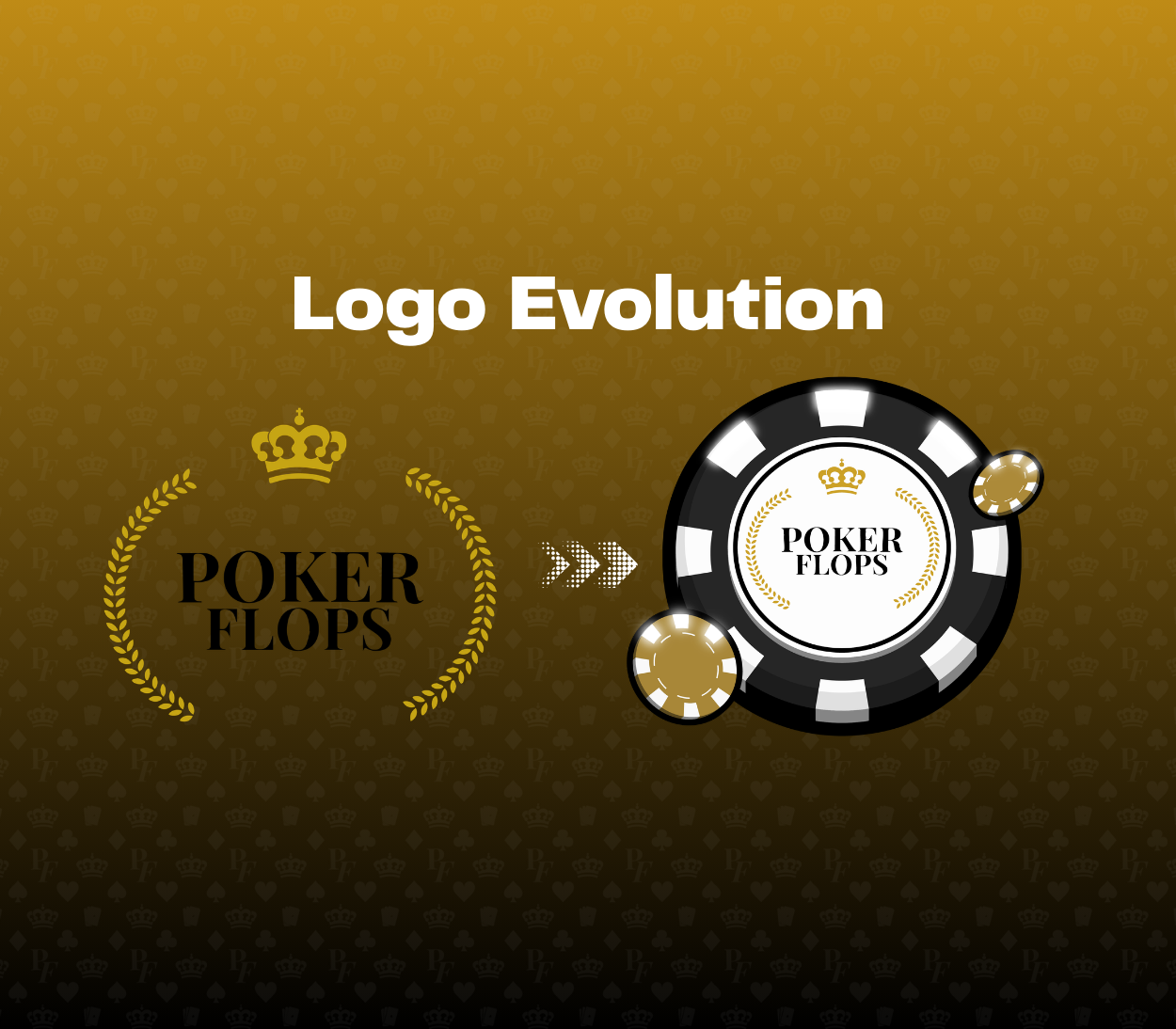
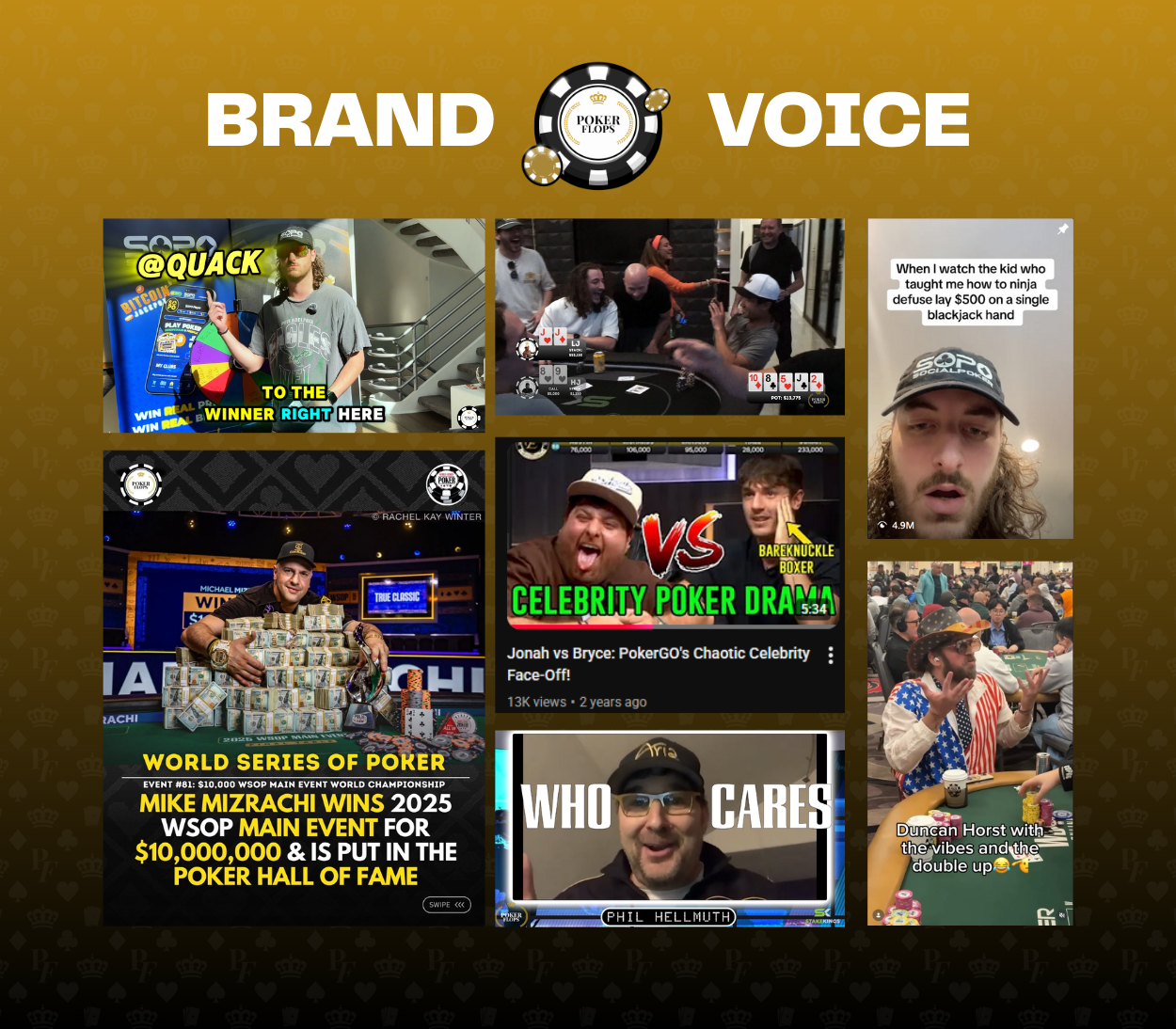
The name and original logo existed before me. I took it from there — defined the brand voice, refined the logo through outsourced design work I directed, and built out the visual system that made PokerFlops feel like your sharp-witted friend who actually knows poker. The brand had to feel authentic to the poker community — not corporate, not cringe. There was no rigid style guide — algorithms change too fast and too drastically. The strategy was to move with the current, adapt constantly, and capitalize on whatever format was working right now.
Content Engine — Thousands of Original Assets
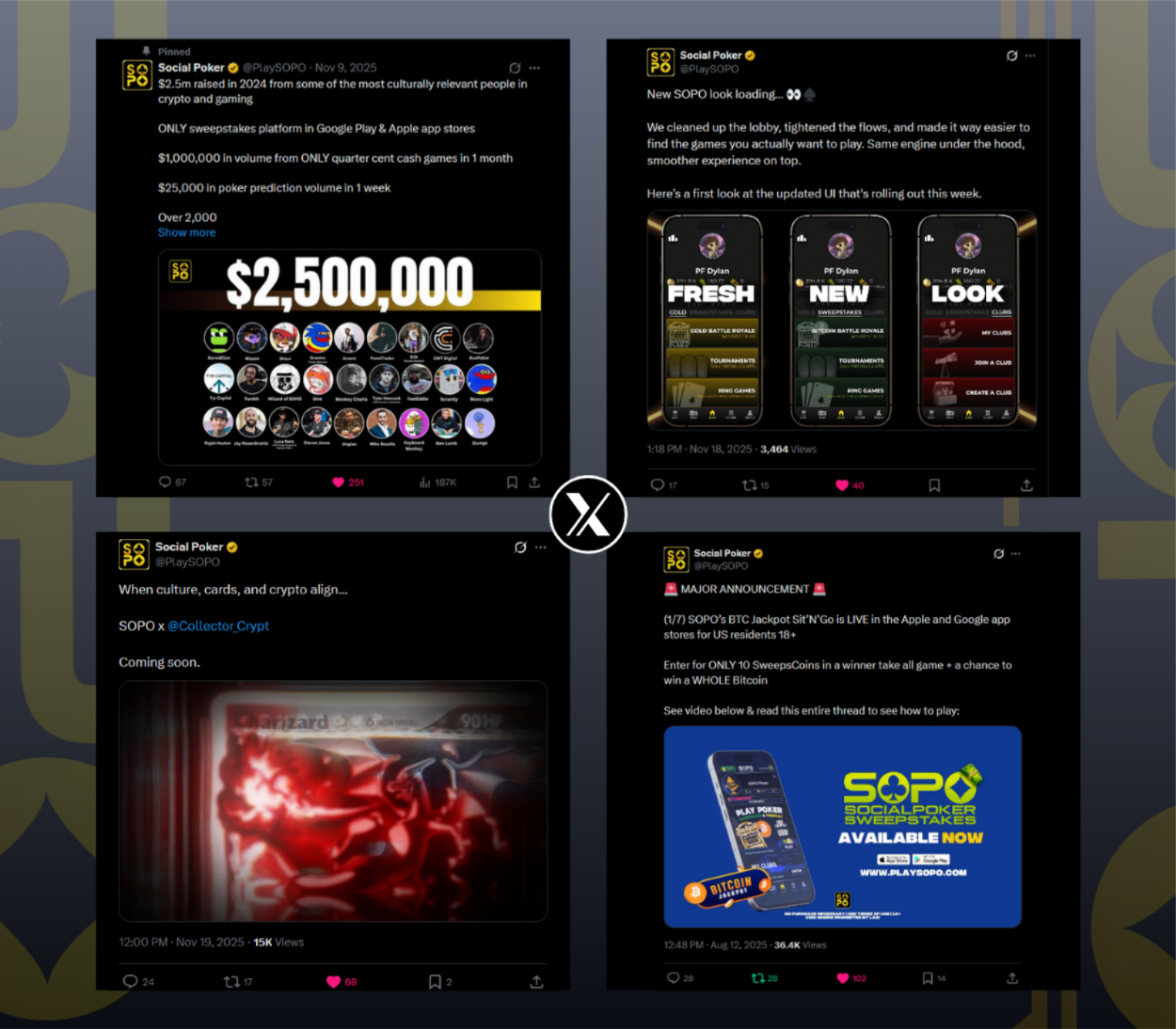
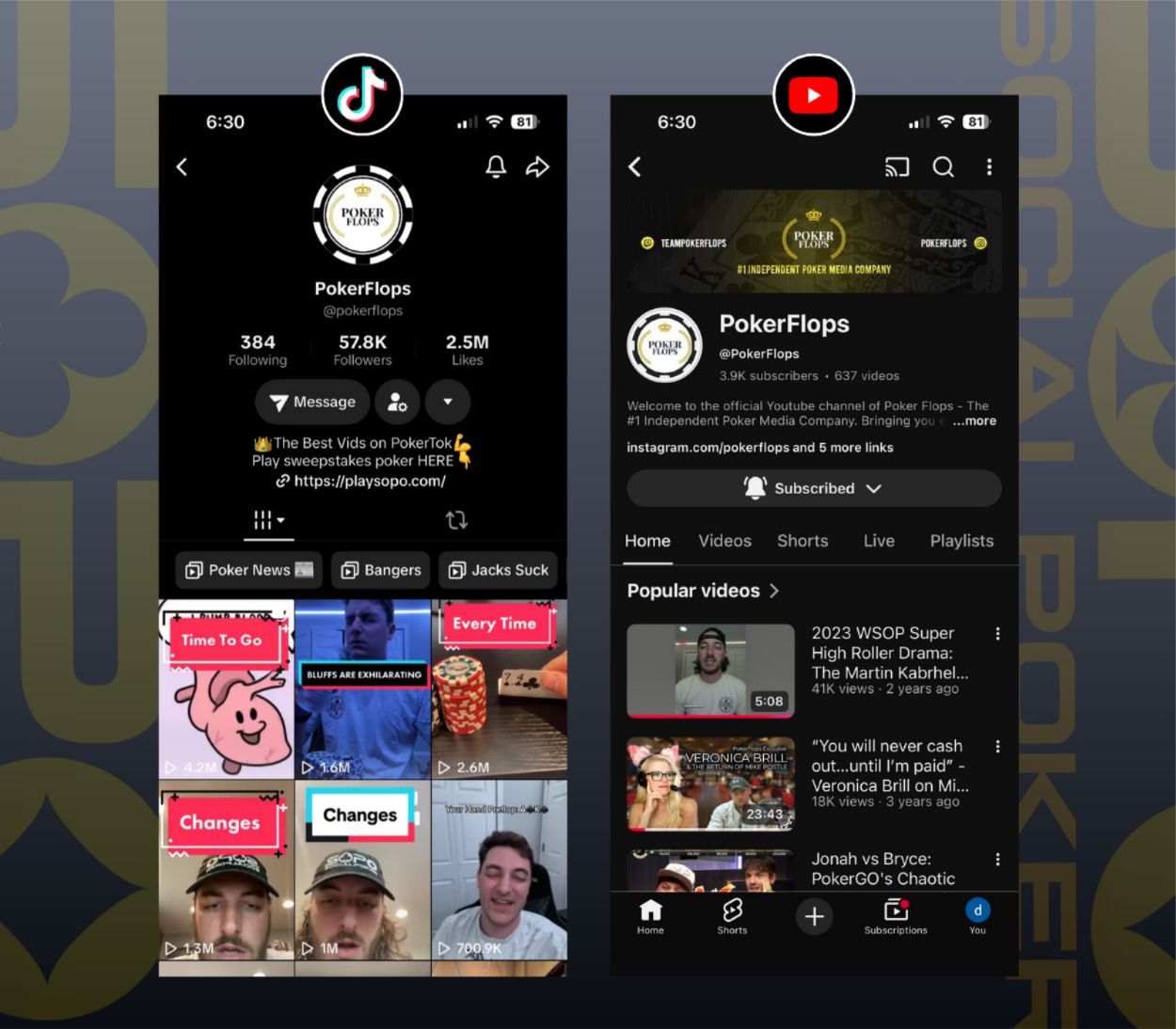
I designed and executed the full content strategy across X, Instagram, TikTok, and YouTube. That meant creating thousands of original assets — posts, stories, reels, videos, graphics, vlogs — all maintaining brand consistency while adapting to each platform's native format. We were doing unfiltered lifestyle-style poker vlogs when nobody else in the industry was thinking that way.
Lifestyle Content & WSOP Coverage
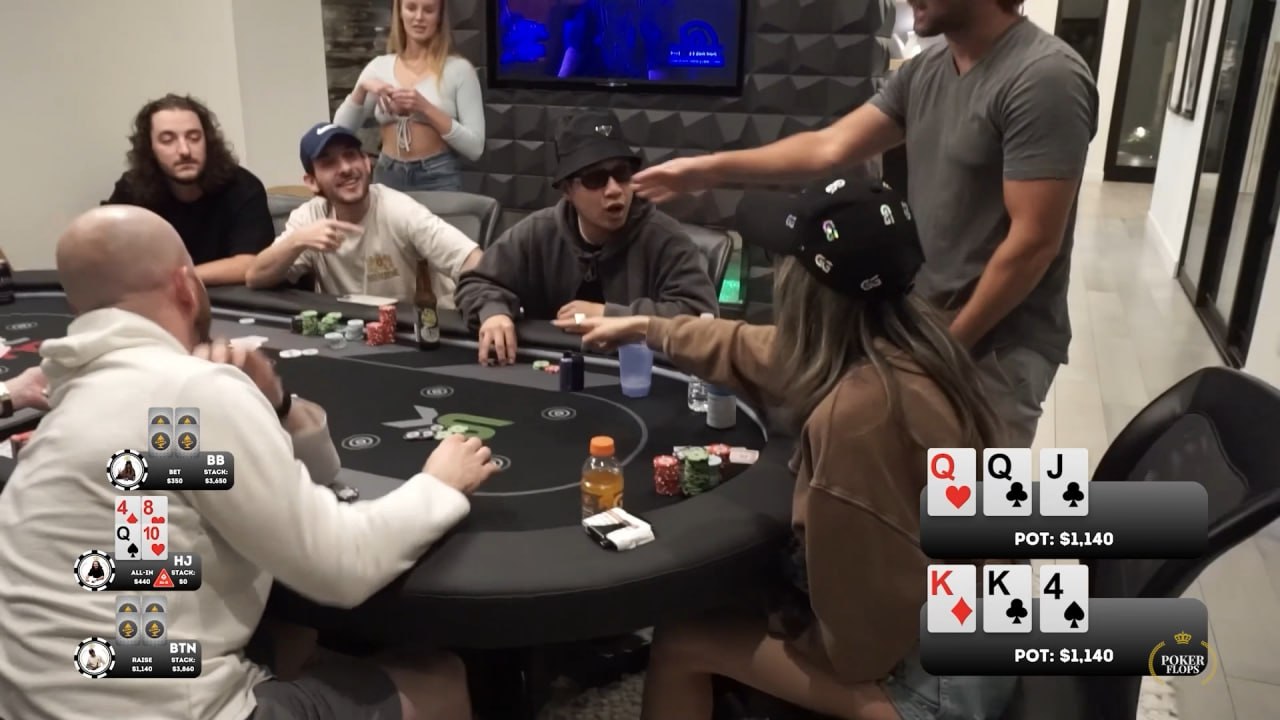
In 2024 I was on the ground at the World Series of Poker in Las Vegas, shooting lifestyle content and covering the event. Between WSOP sessions, we were at StakeKings' content house in Henderson — a McMansion with a Vegas skyline view, infinity pools, catering, the works. While the team played in the games, I was the one floating around the table with my personal Sony camera — a graduation gift from my parents, capturing hands, environment, and the energy of private sessions featuring crypto influencers and professional poker players taking a night off from the Series.
I shot and edited two full sessions across back-to-back weeks of flying in and out of Vegas. Every player got an MTV-style character introduction — body masked out and pulled into an animated card with motion graphics around their name, like a Super Smash Bros. character reveal. During hands, I manually edited in every player's cards, bets, stack size, and action as if it were an RFID broadcast table — for full 9-person games. I engineered the music by layering songs with their instrumentals, dropping vocals when table talk mattered and bringing them back for cinematic moments. All of it — shooting, editing, motion graphics, sound design — was a solo job.
Jungleman Cates asked me to be his personal photographer during the trip. I had to turn it down because I was there for SOPO — but the fact that a poker legend noticed the work says something about the quality of what I was producing.
StakeCenter — Produced Series
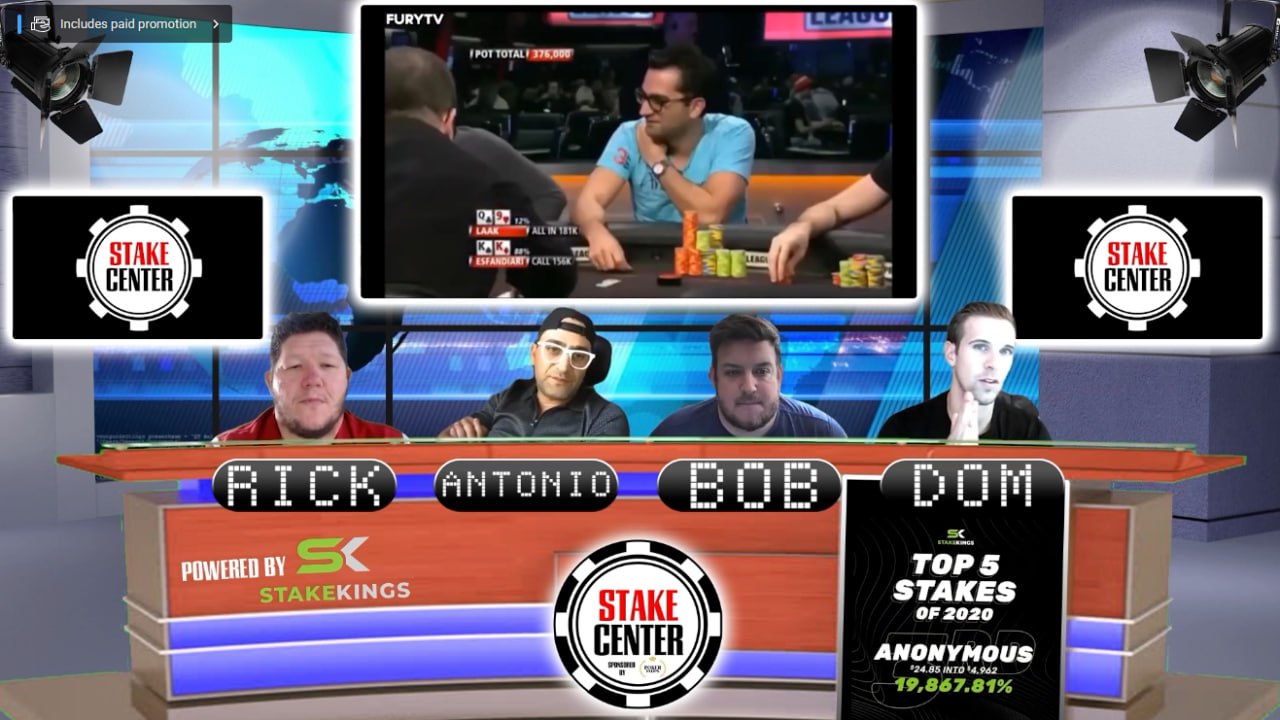
What started as a ~50-episode podcast evolved into StakeCenter — a 9-episode produced weekly series featuring guests like Phil Hellmuth and Antonio Esfandiari. Each episode was a full hour hyper-edited down into 12–34 minutes of over-the-top maximalist humor: staking picks, news, bets, poker opinions, storytelling — with 3–4 video feeds, unique audio tracks, animations, and a digital monitor for graphics.
I was the sole editor, working Monday through Thursday sun-up to sun-down to deliver episodes every Friday. The show landed us our first brand partnership with StakeKings — who were so impressed by the show and its audience that they eventually became an investor in SOPO. Each week the three hosts picked poker players to stake on StakeKings with a starting bankroll, and we tracked the results live week over week.
Influencer Creator Network
Recruited, onboarded, and managed a network of 50+ influencer content creators who posted on behalf of the brand. This meant creating brand toolkits, content guidelines, managing relationships, and tracking performance. The network became our most powerful organic growth channel.
Impact
Key Takeaways
- Brand voice is everything — The visual identity got attention, but the voice kept people coming back
- Do what nobody else is doing — Raw lifestyle vlogs in poker? Nobody was thinking that way. That's exactly why it worked
- Influencers scale what ads can't — Authentic creators posting about the brand outperformed paid campaigns consistently
- Content builds credentials — Consistent, quality output is what got us on the WSOP main stage. You can't buy that access — you earn it
- Partnerships come from proof — StakeKings didn't partner because we pitched well. They partnered because the show proved the audience was real
Like what you see?
I'm currently looking for my next creative role. If you think we'd work well together, let's talk.
Get in Touch →